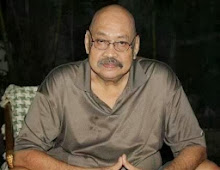
Frank “Boy” Pestaño
Chessmoso
THE World Chess Federation has just released the latest statistics at the start of the year 2010.
The big story is that Magnus Carlsen is the highest-rated player, now with a rating of 2810, and he is only 19 years old!
For updates from around the country, follow Sun.Star on Twitter
Wesley So, a spring chicken at 16, is No.77 in the world and is the highest-rated Filipino ever at 2656. He is also rated No.6 among players 20 years old and below.
A challenge for Wesley is to join the 2700 club and make it to the top 20 this year. He will have several opportunities. Coming up is the Corus tournament in the
Netherlands on Jan. 13 to Feb. 1 in Wijkaan Zee, where he topped Group C last year.
This time, So will play in the stronger Group B, where the average rating is 2630.
Wesley will also play in the Spice Cup 2010 in Texas, hosted by Susan Polgar. There is also the Olympiad in Khanty Mansiyk, Russia.
Another big event is the Asian Continental individual men’s and women’s championships on April 20 to 30 in Subic.
TOP 10. Magnus Carlsen (Norway, 19, 2810), Veselin Topalov (Bulgaria, 34, 2805), Viswanathan Anand (India, 40, 2790), Vladimir Kramnik (Russia, 34, 2788), Levon Aronian (Armenia, 27, 2781), Boris Gelfand (Israel, 41, 2761), Vugar Gashimov (Azerbaijan, 23, 2759), Vassily Ivanchuk (Ukraine, 40, 2749), Wang Yue (China, 22, 2749), Peter Svidler (Russia, 33, 2744).
TOP 10 WOMEN. Judit Polgar (Hungary, 33, 2682), Koneru Humpy (India, 22, 2614), Hou Yifan (China, 15, 2590), Antoanetta Stefanova (Bulgaria, 30, 2545), Nadezhda Kosintseva (Russia, 24, 2533), Pia Cramling (Sweden, 46, 2528), Anna Muzychuk (Slovenia, 19, 2523), Alexandra Kosteniuk (Russia, 25, 2523), Katyrena Lahno (Ukraine, 20, 2518), Tatiana Kosintseva (Russia, 23, 2515).
TOP 10 JUNIORS. Carlsen, Maxime Vachier-Lagrave (France, 19, 2730), Sergey Karjakin (Russia, 19, 2720), Fabiano Caruana (Italy, 17, 2675), Ian Nepomniachtchi (Russia, 19, 2658), Wesley, Le Quang Liem (Vietnam, 18, 2647), Dmitry Andreikin (Russia, 19, 2635), Yuriy Kuzubov (Ukraine, 19, 2634), Jon Ludwig Hammer (Norway, 19, 2627).
TOP PINOYS. Wesley So, Rogelio Antonio Jr. (2572), Darwin Laylo (2556), Rogelio Barcenilla (2518), John Paul Gomez (2507), Eugenio Torre (2506), Mark Paragua (2497), Joseph Sanchez (2490), Roland Salvador (2472), Julio Catalino Sadorra (2466), Ronald Dableo (2464), Richard Bitoon (2458), Oliver Barbosa (2452), Jayson Gonzales (2441), Buenaventura Villamayor (2438).
These are the top chess playing countries (average rating of top 10 players, number of grandmasters, international masters and total number of titled players).
Russia (2727, 196, 460, 1,932), Ukraine (2691, 73, 185, 420), Israel (2647, 34, 43, 145) China (2643, 27, 17, 99), Azerbaijan (2639, 17, 14, 61), USA (2635, 67, 114, 523), India (2635, 20, 61, 179), Hungary (2634, 42, 107, 385), France (2634, 49, 84, 312), Armenia (2632, 29, 20, 68). The Philippines is at no. 30 with 2524, 10, 25, 58.
EVENTS. The Sammy Galan Open will start tomorrow at 1 p.m. at the Barangay Apas Sports Complex.
There are three sections--Class B players (P75 registration), Kiddies (P50) and Women (P30). Time control is 40 minutes per player.
A big event going on now is the World Team Championship in Bursa, Turkey. It started last Jan. 5 and will end on Jan. 14.
The federations qualified to participate in the Championship are Continental Champions --Russia, Brazil, India (replacing China) and Egypt; the top three teams in the 2008 Chess Olympiad--Armenia, Israel and USA; two teams invited by the Fide president--Azerbaijan and Greece; and the host Turkey.
The organizers are providing all teams with full board and lodging and transport. In addition, the players will receive daily honorariums. Draw offers during the first 30 moves are not allowed.
(boypestano@chess.com,www.chessmoso.blogspot.com)
Friday, January 29, 2010
Why Israel is excellent at chess
Frank “Boy” Pestaño
Chessmoso
JEWS are excellent chess players because they are more intelligent, better- educated and more motivated than the average person.
Several times, it has been dangerous to be Jewish, and many hid their faith to avoid persecution. Two such periods were from the 15th to the 18th century during the Spanish Inquisition, and in 1938 to 1945 during the Nazi Holocaust where an estimated six million Jews were killed.
Click here for stories and updates on the Sinulog 2010 Festival.
Even now, Israel is surrounded by nations that do not recognize its right to exist.
The facts are extraordinary. There are at most 13 million Jews in the world today, yet they control Wall Street, the entertainment industry, the diamond trade and big business.
Forty-five percent of the top 40 of the Forbes 400 richest Americans are Jewish. One-third of American multimillionaires are Jewish. Twenty percent of professors at leading universities are Jewish. Thirty percent of American Nobel prize winners in science and 25 percent of all American Nobel winners are Jewish.
The percentage of Jewish households with income greater than $50,000 is double that of non-Jews.
Forty-five percent of the Jews live in the United States, which constitutes only two of the American population. The incredible influence of this small group of people has resulted in a vast transfer of wealth from the United States to Israel, due mainly to the political power of the Jewish lobby.
Big names and thinkers are Albert Einstein, Karl Marx, and Sigmund Freud, among many others.
A big number of actors and actresses are Jewish as well as musicians, scientists and business professionals.
Let us not also forget the original Jews (Hebrews)--Abraham, Moses, Jacob, Mary, Jesus of Nazareth and the main propagator of Christianity, Paul of Tarsus.
Jews are not generally known to be good in sports. There is one exception though and this is in chess, which is not surprising.
Despite its small population (7.5 million), Israel is ranked as the third top playing country in the world. It is ahead of the USA, China, India, France, England and
Germany. Only Russia and Ukraine are rated higher simply because of their big population.
There are 34 grandmasters, 43 international masters and 145 titled players in Israel and the game is played all over the country by all ages. In addition, there are a good number of GMs and IMs who are citizens in other countries such as Russia, Ukraine, USA, Hungary and other European nations who are Jewish.
The quality and number of chess players who are Jewish or half-Jewish are fantastic and extraordinary. World champions include Wilhelm Steinitz, Emmanuel Lasker, Mikhail Botvinnik, Mikhail Tal, Boris Spassky, Bobby Fischer, Garry Kasparov, Alexander Khalifman and Boris Gelfand.
Other famous players are the Polgar sisters, Aron Nimzowitsch, Miguel Najdorf, Efim Geller, Larry Evans, Reuben Fine, Viktor Korchnoi, Peter Svidler, Richard Réti, Siegbert Tarrasch and Mark Taimanov.
Let us not forget also Boris Alterman, Yuri Averbakh, Joel Benjamin, David Bronstein, Dawid Janowski, Lev Polugaevsky and the great Samuel Reshevsky.
SAN ROQUE. The battle of monthly champions was played last Jan. 24 at the barangay hall of San Roque, Talisay and the grand winner was Gerard Donn Ouano with a
perfect score of seven points.
Runners-up were Krystell Kaytte Ouano, Jeffu Dorog, Loraine Powao, and Steven Keith Pacada.
Sponsors were San Roque Barangay Captain Antonio Cabrera, Jojo Powao and Cepca member Gerry Ouano. Tournament director was former Cepca president Manny Manzanares.
Here is some good news for Cepca members: One of our original members, Yegor Abelita, will try his luck in the 2010 Chess World Open in Philadelphia on March 31 to
April 4 together with his granddaughter.
(boypestano@chess.com,www.chessmoso.blogspot.com)
Chessmoso
JEWS are excellent chess players because they are more intelligent, better- educated and more motivated than the average person.
Several times, it has been dangerous to be Jewish, and many hid their faith to avoid persecution. Two such periods were from the 15th to the 18th century during the Spanish Inquisition, and in 1938 to 1945 during the Nazi Holocaust where an estimated six million Jews were killed.
Click here for stories and updates on the Sinulog 2010 Festival.
Even now, Israel is surrounded by nations that do not recognize its right to exist.
The facts are extraordinary. There are at most 13 million Jews in the world today, yet they control Wall Street, the entertainment industry, the diamond trade and big business.
Forty-five percent of the top 40 of the Forbes 400 richest Americans are Jewish. One-third of American multimillionaires are Jewish. Twenty percent of professors at leading universities are Jewish. Thirty percent of American Nobel prize winners in science and 25 percent of all American Nobel winners are Jewish.
The percentage of Jewish households with income greater than $50,000 is double that of non-Jews.
Forty-five percent of the Jews live in the United States, which constitutes only two of the American population. The incredible influence of this small group of people has resulted in a vast transfer of wealth from the United States to Israel, due mainly to the political power of the Jewish lobby.
Big names and thinkers are Albert Einstein, Karl Marx, and Sigmund Freud, among many others.
A big number of actors and actresses are Jewish as well as musicians, scientists and business professionals.
Let us not also forget the original Jews (Hebrews)--Abraham, Moses, Jacob, Mary, Jesus of Nazareth and the main propagator of Christianity, Paul of Tarsus.
Jews are not generally known to be good in sports. There is one exception though and this is in chess, which is not surprising.
Despite its small population (7.5 million), Israel is ranked as the third top playing country in the world. It is ahead of the USA, China, India, France, England and
Germany. Only Russia and Ukraine are rated higher simply because of their big population.
There are 34 grandmasters, 43 international masters and 145 titled players in Israel and the game is played all over the country by all ages. In addition, there are a good number of GMs and IMs who are citizens in other countries such as Russia, Ukraine, USA, Hungary and other European nations who are Jewish.
The quality and number of chess players who are Jewish or half-Jewish are fantastic and extraordinary. World champions include Wilhelm Steinitz, Emmanuel Lasker, Mikhail Botvinnik, Mikhail Tal, Boris Spassky, Bobby Fischer, Garry Kasparov, Alexander Khalifman and Boris Gelfand.
Other famous players are the Polgar sisters, Aron Nimzowitsch, Miguel Najdorf, Efim Geller, Larry Evans, Reuben Fine, Viktor Korchnoi, Peter Svidler, Richard Réti, Siegbert Tarrasch and Mark Taimanov.
Let us not forget also Boris Alterman, Yuri Averbakh, Joel Benjamin, David Bronstein, Dawid Janowski, Lev Polugaevsky and the great Samuel Reshevsky.
SAN ROQUE. The battle of monthly champions was played last Jan. 24 at the barangay hall of San Roque, Talisay and the grand winner was Gerard Donn Ouano with a
perfect score of seven points.
Runners-up were Krystell Kaytte Ouano, Jeffu Dorog, Loraine Powao, and Steven Keith Pacada.
Sponsors were San Roque Barangay Captain Antonio Cabrera, Jojo Powao and Cepca member Gerry Ouano. Tournament director was former Cepca president Manny Manzanares.
Here is some good news for Cepca members: One of our original members, Yegor Abelita, will try his luck in the 2010 Chess World Open in Philadelphia on March 31 to
April 4 together with his granddaughter.
(boypestano@chess.com,www.chessmoso.blogspot.com)
Thursday, January 21, 2010
History of religion and chess
Frank 'Boy' Pestaño
Chessmoso
CEBU Province, in the latest count, has a population of 3.5 million, of which 2 million are in Metro Cebu.
So I was amazed to read in the papers that two million people joined the procession during the Sinulog and that eight million spectators watched the parade.
Click here for stories and updates on the Sinulog 2010 Festival.
This means that we had close to six million visitors, which is just mind-boggling, or somebody made a mistake.
This just goes to show that the Cebuanos are very religious, not counting me and a few of my friends.
Chess and religion did not always get along. At one time or another, chess was forbidden by Muslims, Roman Catholics, Anglicans, Jews, the Puritans, and the Taliban.
Throughout its history, chess has experienced acceptance and rejection within the religious world.
The main reason for these was that religion disapproved of the game because of the “graven images.” In the Judeo-Christian world, such carved images were either considered idols, or too close to idols.
Chess became a legal issue after Mohammad died in 642. In 655, his son-in-law disapproved of the game for his sect of Muslims (Sunni) because of the graven images.
Another reason was that chess was considered a form of gambling or that it encouraged gambling. They also said that chess players were prone to an unhealthy preoccupation of the game. One should be in prayer or study instead.
The problem of chess in Christendom was the early forms of the game, which was associated with gambling.
Chess was brought to Europe by the Moors thru Spain in the eighth century. The knights were elephants as it was invented in India and the Queen was a man (the King’s advisor).
The game became very popular in Europe and underwent some dramatic changes to keep it from being associated with “graven images.” The pieces were changed to match the society prevailing during that time—King and Queen, castles (rooks) and serfs (pawns). Bishops had great power 400 to 500 years ago in Europe and actually had their own armies.
Pawns or serfs are often sacrificed to save the more valuable pieces and there are more of them in the board than any other pieces.
The knight represents the professional soldier whose purpose was to protect persons of rank and, like pawns, can be sacrificed to ensure the safety of the bishops, queen and king.
The castle is the refuge, just as it was in medieval Europe.
However, during the dark ages, chess was discouraged by the Christian Church. In 1061, Cardinal Damiani (1007-1072) of Ostin forbade the clergy to play chess.
He even wrote to the Pope complaining that chess was being played by some clergy.
In 1093, chess was condemned and forbidden by the Eastern Orthodox Church. Other such acts included: St. Bernard of Clairvaux (1090-1153) forbidding the Knights Templars from playing chess; and in 1208, the Bishop of Paris decreed that chess be banned from the clergy.
The most significant decision during this time was the prohibition of chess by St. Louis (Louis IX) in 1254, four years after he was a prisoner in Egypt during the VII crusade.
After the dark ages and reformation, theology changed. A newer view of Scripture saw games and chess as a pastime meant for enjoyment. Some of the greatest early players and “masters” were clergy. This was because they often were the most educated.
The most important sovereign in chess development was Alphonse X of Castile who was an avid chess player and a great humanist.
In the 16th century, St. Teresa of Avila (1515-1582) was proclaimed patroness of chess players by church authorities in Spain.
Popes who played chess included Pope Leo XIII (Gioacchino Pecci), Pope Gregory VI, Pope Innocent III and Pope Leo X.
Modern players were Pope John Paul I and John Paul II.
(boypestano@chess.com,www.chessmoso.blogspot.com)
Chessmoso
CEBU Province, in the latest count, has a population of 3.5 million, of which 2 million are in Metro Cebu.
So I was amazed to read in the papers that two million people joined the procession during the Sinulog and that eight million spectators watched the parade.
Click here for stories and updates on the Sinulog 2010 Festival.
This means that we had close to six million visitors, which is just mind-boggling, or somebody made a mistake.
This just goes to show that the Cebuanos are very religious, not counting me and a few of my friends.
Chess and religion did not always get along. At one time or another, chess was forbidden by Muslims, Roman Catholics, Anglicans, Jews, the Puritans, and the Taliban.
Throughout its history, chess has experienced acceptance and rejection within the religious world.
The main reason for these was that religion disapproved of the game because of the “graven images.” In the Judeo-Christian world, such carved images were either considered idols, or too close to idols.
Chess became a legal issue after Mohammad died in 642. In 655, his son-in-law disapproved of the game for his sect of Muslims (Sunni) because of the graven images.
Another reason was that chess was considered a form of gambling or that it encouraged gambling. They also said that chess players were prone to an unhealthy preoccupation of the game. One should be in prayer or study instead.
The problem of chess in Christendom was the early forms of the game, which was associated with gambling.
Chess was brought to Europe by the Moors thru Spain in the eighth century. The knights were elephants as it was invented in India and the Queen was a man (the King’s advisor).
The game became very popular in Europe and underwent some dramatic changes to keep it from being associated with “graven images.” The pieces were changed to match the society prevailing during that time—King and Queen, castles (rooks) and serfs (pawns). Bishops had great power 400 to 500 years ago in Europe and actually had their own armies.
Pawns or serfs are often sacrificed to save the more valuable pieces and there are more of them in the board than any other pieces.
The knight represents the professional soldier whose purpose was to protect persons of rank and, like pawns, can be sacrificed to ensure the safety of the bishops, queen and king.
The castle is the refuge, just as it was in medieval Europe.
However, during the dark ages, chess was discouraged by the Christian Church. In 1061, Cardinal Damiani (1007-1072) of Ostin forbade the clergy to play chess.
He even wrote to the Pope complaining that chess was being played by some clergy.
In 1093, chess was condemned and forbidden by the Eastern Orthodox Church. Other such acts included: St. Bernard of Clairvaux (1090-1153) forbidding the Knights Templars from playing chess; and in 1208, the Bishop of Paris decreed that chess be banned from the clergy.
The most significant decision during this time was the prohibition of chess by St. Louis (Louis IX) in 1254, four years after he was a prisoner in Egypt during the VII crusade.
After the dark ages and reformation, theology changed. A newer view of Scripture saw games and chess as a pastime meant for enjoyment. Some of the greatest early players and “masters” were clergy. This was because they often were the most educated.
The most important sovereign in chess development was Alphonse X of Castile who was an avid chess player and a great humanist.
In the 16th century, St. Teresa of Avila (1515-1582) was proclaimed patroness of chess players by church authorities in Spain.
Popes who played chess included Pope Leo XIII (Gioacchino Pecci), Pope Gregory VI, Pope Innocent III and Pope Leo X.
Modern players were Pope John Paul I and John Paul II.
(boypestano@chess.com,www.chessmoso.blogspot.com)
Friday, January 15, 2010
Play chess and pick up girls
Frank 'Boy' Pestaño
Chessmoso
PLAYING chess has similar strategies when it comes to picking up girls. You need to know what to do during the opening to attract her attention. For many men, picking up girls is a daunting task. However, with the right skills and a little bit of practice, almost anyone can master it.
Don’t think that you can pick up girls only in a bar or during parties. They’re on the street, in a store, in class, everywhere you go. Just go out into the world and pay closer attention.
For updates from around the country, follow Sun.Star on Twitter
OPENING. Just like in chess, in order to gain the respect of your opponent, dress in a presentable manner. Dress in clothes that are clean and stylish. The better you look, the more confident you’ll feel, and that will go a long way toward helping you get what you want.
Initiate eye contact with the girl. Smile a little (not too much) or nod your head in her direction to send a message that you’re interested. If she smiles back, wait a few minutes and walk over to introduce yourself.
MIDDLE GAME. Once you get past the opening, you must gain control of the position as in a chess board, or control of the situation when conversing with the girl. You want the girl’s total attention to be on you all the time.
Be brief and don’t talk too much with long sentences. Flirt with her a bit.
Be calm. Girls know why you come up to talk to them. They may not be paying attention to what you’re saying, but rather how you are saying it. For instance, she may look at you if you have confidence. Are you comfortable?
A really pretty girl has people telling her all the time how hot she is, how cute she is, how nice she is. And she’s gotten used to empty compliments. Refrain from comments on her appearance.
Don’t fake and just be you. She wants you to treat her like an old friend. Most women appreciate conversation that sounds sincere and relaxed.
Challenge her with witty banter that will keep her interest piqued about you. Showing off your sense of humor is also a great way to keep the conversation from going stale too quickly.
You need to find some kind of common ground, hard as it may be.
As in a chess game, be observant. Try to not fall into the interview technique (asking things like: What do you do? Where do you live? Where did you go to school?)
END GAME. After a few minutes, if you’re having a good time, cut things off on a high note, and ask for her number, preferably her cell phone. Say that you’re having a
great time, but you need to get back to your friends. If she is hesitant, ask for her e-mail address instead. Be assertive but refrain from acting rude if she turns you down.
If she says she doesn’t want to give you her number, you can joke with her and say that you promise to only call her 50 times a day, but that’s all.
Text her as you’re leaving the venue, and then call her the next day. You don’t have to text or call her every day, especially in the beginning.
Checkmate is not easy and will take some time.
RESULTS. Here are the final results at the Barangay Captain’s Cup in San Roque, Talisay City last Jan. 9. The champion was Cathysienne Tabora and runners-up were Desiree Balmori, Joseph Acosta, Kristine Malacay, and Fashene Ivy Labajo.
Sponsors were Atty. Jongjong Merlendez, Jun Olis and Mandy Baria of Cepca.
In the Kiddies tournament at Barangay Apas last weekend, Kyle Sevillano won all his six games to dominate the tourney. Runners-up were Allan Pason, Jhoronnie Gayl Bontes and Felix Shaun Balbona.
BIRTHDAY. My favorite niece Apple Montes recently celebrated her 18th birthday at Handuraw Lahug last Jan. 10. She is the only child of my sister Lourdes and my drinking buddy Antonio “Jun” Montes.
How time flies! I can still remember when she was just a little girl.
(boypestano@chess.com, www.chessmoso.blogspot.com)
Chessmoso
PLAYING chess has similar strategies when it comes to picking up girls. You need to know what to do during the opening to attract her attention. For many men, picking up girls is a daunting task. However, with the right skills and a little bit of practice, almost anyone can master it.
Don’t think that you can pick up girls only in a bar or during parties. They’re on the street, in a store, in class, everywhere you go. Just go out into the world and pay closer attention.
For updates from around the country, follow Sun.Star on Twitter
OPENING. Just like in chess, in order to gain the respect of your opponent, dress in a presentable manner. Dress in clothes that are clean and stylish. The better you look, the more confident you’ll feel, and that will go a long way toward helping you get what you want.
Initiate eye contact with the girl. Smile a little (not too much) or nod your head in her direction to send a message that you’re interested. If she smiles back, wait a few minutes and walk over to introduce yourself.
MIDDLE GAME. Once you get past the opening, you must gain control of the position as in a chess board, or control of the situation when conversing with the girl. You want the girl’s total attention to be on you all the time.
Be brief and don’t talk too much with long sentences. Flirt with her a bit.
Be calm. Girls know why you come up to talk to them. They may not be paying attention to what you’re saying, but rather how you are saying it. For instance, she may look at you if you have confidence. Are you comfortable?
A really pretty girl has people telling her all the time how hot she is, how cute she is, how nice she is. And she’s gotten used to empty compliments. Refrain from comments on her appearance.
Don’t fake and just be you. She wants you to treat her like an old friend. Most women appreciate conversation that sounds sincere and relaxed.
Challenge her with witty banter that will keep her interest piqued about you. Showing off your sense of humor is also a great way to keep the conversation from going stale too quickly.
You need to find some kind of common ground, hard as it may be.
As in a chess game, be observant. Try to not fall into the interview technique (asking things like: What do you do? Where do you live? Where did you go to school?)
END GAME. After a few minutes, if you’re having a good time, cut things off on a high note, and ask for her number, preferably her cell phone. Say that you’re having a
great time, but you need to get back to your friends. If she is hesitant, ask for her e-mail address instead. Be assertive but refrain from acting rude if she turns you down.
If she says she doesn’t want to give you her number, you can joke with her and say that you promise to only call her 50 times a day, but that’s all.
Text her as you’re leaving the venue, and then call her the next day. You don’t have to text or call her every day, especially in the beginning.
Checkmate is not easy and will take some time.
RESULTS. Here are the final results at the Barangay Captain’s Cup in San Roque, Talisay City last Jan. 9. The champion was Cathysienne Tabora and runners-up were Desiree Balmori, Joseph Acosta, Kristine Malacay, and Fashene Ivy Labajo.
Sponsors were Atty. Jongjong Merlendez, Jun Olis and Mandy Baria of Cepca.
In the Kiddies tournament at Barangay Apas last weekend, Kyle Sevillano won all his six games to dominate the tourney. Runners-up were Allan Pason, Jhoronnie Gayl Bontes and Felix Shaun Balbona.
BIRTHDAY. My favorite niece Apple Montes recently celebrated her 18th birthday at Handuraw Lahug last Jan. 10. She is the only child of my sister Lourdes and my drinking buddy Antonio “Jun” Montes.
How time flies! I can still remember when she was just a little girl.
(boypestano@chess.com, www.chessmoso.blogspot.com)
Saturday, January 2, 2010
New Year’s resolution of chess players
EVER since I can recall, New Year’s resolutions were popular among young adults. Unfortunately for almost everybody, it usually fails.
The main reason is that the new resolutions take a lot of effort and we usually always take the easy route by force of habit. New resolutions should not be of change in order to succeed but of hoping to be better.
For updates from around the country, follow Sun.Star on Twitter
It is the same for chess. The utmost resolution of a chess player is to be better, or to be precise, to gain a higher rating.
How do you achieve to increase your rating by say, 100 points? By studying more, of course. If you say you cannot devote more than an hour a day because you are too
busy, forget it.
Another way is to hire a good teacher, which is the best option, but a good coach is not easy to find and it is usually expensive.
The best way is to find a good training partner, preferably one who is better than you.
If you are finding it hard to find a sparring partner who can play as often as you like, there is always the Internet.
If you read this column regularly, then I suppose you are as addicted to the game as I am. If you are addicted to this game, there is usually no problem improving your game. As for me, I play only for fun and have stopped playing in tournaments other than Cepca events.
Frankly, I am rated quite high in the official NCFP ratings list, but that was a long, long time ago in the old PCF. I am just an average chess player who is fonder of chess trivia than playing the game.
There are several things to consider in order to improve your game. The most important is expenditure. How much are you willing to invest?
Learn how to play with a chess clock or some form of time control in the Internet. Computer programs are a tremendous help and buying a computer is even better.
The best way to improve is to buy chess books. There are so many chess books that it staggers the imagination. Almost all chess books have their own unique strengths.
However, it is not necessary to buy many, just a few. Ask your fellow chess players what they recommend so you will not waste your time. Try to find out what category you belong--beginner, intermediate or advanced.
Study tactics, tactics, and more tactics--basic items like the fork, discovered attack, the pin, skewer etc. The more tactics, you know, the higher will be your rating.
Here are some recommendations from Dan Heisman: 1.) Learning from your mistakes is the best you can do. 2.) Take it easy one step at a time 3.)Ask a higher-rated player to help you with positions you don’t understand.
Use the wonder of the modern age--the Internet. A good site to learn the opening moves is www.eudesign.com; and for tactics training, www.emrald.net.
Here is a nice observation at Steve Pavlina.com: Changing a habit is like playing a game of chess. In chess there’s an opening, a middle game, and an endgame. The same is true for habit change.
Many people try to change their habits by skipping straight to the endgame. They dive in and commit themselves to making the change happen right away. This is what people do when they make a New Year’s resolution. It hardly ever works.
SERGING OSMEÑA MEMORIAL. Here are the final results of the knockout tournament held at Deep Blue Club in SM.
Those who qualified to the round of 16 were Tony Cabibil, Peterson Sia, Kim Steven Yap, Kyle Sevillano, Allan Salientes, Norman Montejo, Joel Pacuribot, Carlos Moreno III, Rommel Ganzon, Rommel Asoque, Melven Morelos, Richard Natividad, Anthony Makiniano, Roy Vincent Caballes, Erwin Ababat and Joel Fernan.
The champion was Ganzon, who over Kimkim Yap.
(boypestano@chess.com,www.chessmoso.blogspot.com)
The main reason is that the new resolutions take a lot of effort and we usually always take the easy route by force of habit. New resolutions should not be of change in order to succeed but of hoping to be better.
For updates from around the country, follow Sun.Star on Twitter
It is the same for chess. The utmost resolution of a chess player is to be better, or to be precise, to gain a higher rating.
How do you achieve to increase your rating by say, 100 points? By studying more, of course. If you say you cannot devote more than an hour a day because you are too
busy, forget it.
Another way is to hire a good teacher, which is the best option, but a good coach is not easy to find and it is usually expensive.
The best way is to find a good training partner, preferably one who is better than you.
If you are finding it hard to find a sparring partner who can play as often as you like, there is always the Internet.
If you read this column regularly, then I suppose you are as addicted to the game as I am. If you are addicted to this game, there is usually no problem improving your game. As for me, I play only for fun and have stopped playing in tournaments other than Cepca events.
Frankly, I am rated quite high in the official NCFP ratings list, but that was a long, long time ago in the old PCF. I am just an average chess player who is fonder of chess trivia than playing the game.
There are several things to consider in order to improve your game. The most important is expenditure. How much are you willing to invest?
Learn how to play with a chess clock or some form of time control in the Internet. Computer programs are a tremendous help and buying a computer is even better.
The best way to improve is to buy chess books. There are so many chess books that it staggers the imagination. Almost all chess books have their own unique strengths.
However, it is not necessary to buy many, just a few. Ask your fellow chess players what they recommend so you will not waste your time. Try to find out what category you belong--beginner, intermediate or advanced.
Study tactics, tactics, and more tactics--basic items like the fork, discovered attack, the pin, skewer etc. The more tactics, you know, the higher will be your rating.
Here are some recommendations from Dan Heisman: 1.) Learning from your mistakes is the best you can do. 2.) Take it easy one step at a time 3.)Ask a higher-rated player to help you with positions you don’t understand.
Use the wonder of the modern age--the Internet. A good site to learn the opening moves is www.eudesign.com; and for tactics training, www.emrald.net.
Here is a nice observation at Steve Pavlina.com: Changing a habit is like playing a game of chess. In chess there’s an opening, a middle game, and an endgame. The same is true for habit change.
Many people try to change their habits by skipping straight to the endgame. They dive in and commit themselves to making the change happen right away. This is what people do when they make a New Year’s resolution. It hardly ever works.
SERGING OSMEÑA MEMORIAL. Here are the final results of the knockout tournament held at Deep Blue Club in SM.
Those who qualified to the round of 16 were Tony Cabibil, Peterson Sia, Kim Steven Yap, Kyle Sevillano, Allan Salientes, Norman Montejo, Joel Pacuribot, Carlos Moreno III, Rommel Ganzon, Rommel Asoque, Melven Morelos, Richard Natividad, Anthony Makiniano, Roy Vincent Caballes, Erwin Ababat and Joel Fernan.
The champion was Ganzon, who over Kimkim Yap.
(boypestano@chess.com,www.chessmoso.blogspot.com)
Thursday, December 24, 2009
The year that was
Frank “Boy” Pestaño
Chessmoso
JUST like in other sports there has been no shortage of dramas in chess in 2009. To help remember the year that was, we have compiled a list of major international events ranging from Corus in January to the World Cup in December. Local and National events will be reviewed in my next column.
The first major event of the year is always Corus or Wijk Aan Zee as it is popularly known among the chess players. The youngest person to become grandmaster, Sergey Karjakin, surprisingly won the Group A event. The other winners were Fabiano Caruana in Group B and Wesley So in Group C.
For updates from around the country, follow Sun.Star on Twitter
However, Sergey’s most memorable moment came later this year when he married WGM Kateryna Dolzhikova on July 24 and decided to become a Russian citizen.
The Fide Grand Prix 2008–2009 was a series of six chess tournaments, which formed part of the qualification for the World Chess Championship 2011.
Five of the six tournaments have been played. Levon Aronian has already scored sufficient points to win the Grand Prix with Teimour Radjabov at second.
There were three major events in February--Linares,Aeroflot and the Topalov vs Kamsky match which Topalov easily won.
Alexander Grischuk won Linares by virtue of a superior tiebreak score over Vassily Ivanchuk, with Anand and Carlsen close behind.
Aeroflot, where Wesley So also played, was marred by a scandal when Shakhriyar Mamedyarov accused one of his opponents of computer-assisted cheating. Etienne Bacrot won the tournament.
Lev Aronian snared the Amber Rapid and blindfold event in March, performing equally well at both disciplines to take the overall prize.
Hikaru Nakamura won the US championship in May. The MTel Masters in Sofia was likewise won by Alexei Shirov over top favorite Magnus Carlsen and hometown hero Veselin Topalov.
Carlsen came out on top in Leon and it was revealed that the young sensation has been training under Garry Kasparov.
In Dortmund in July ,Vladimir Kramnik triumphed for a staggering ninth time.
Next up was the Biel tournament, where young Maxime Vachier-Lagrave of France took first prize.
In August Aronian again prevailed over a tough field which included Vishy Anand in the World Rapid Championship.
In the same month a Russian-born chess maverick, Vladislav Tkachiev, fell asleep on the board after reportedly turning up drunk at a grandmasters’s tournament in India.
August was also the month that the International Olympic Committee refused the inclusion of chess in the 2016 Olympic games.
The month also featured a rematch between the two former chess giants, Anatoly Karpov and Garry Kasparov. Kasparov easily won, 6-2.
Pearl Spring in China revealed the new Carlsen and his rating went over 2800. In fact, he is now rated no.1 in the World.
The strongest tournament of the year and one of the strongest of all time, the Tal Memorial in Moscow, also revealed that former World champion Vladimir Kramnik is still a force to reckon with. In the world blitz championship after the tournament, Carlsen again grabbed the headlines.
November also saw Anand crushing Karpov in a rapid match.
The last month of the year featured the strongest and most prestigious tournament in a quarter of a century in England, the London Chess Classic which was a resounding success. Carlsen won the event to finish the year as the new world #1.
Next up was the World Cup in Khanty-Mansiyk, Russia which was won by Boris Gelfand of Israel over Rusland Ponomariov of Ukrainne. He therefore qualified for the candidates event in the next World Championship Cycle.
The World Cup also discovered a new talent in Wesley So, who defeated Gata Kamsky and Vassily Ivanchuk and was dubbed the “gold nugget ”of the tournament.
(boypestano@chess.com,www.chessmoso.blogspot.com)
Chessmoso
JUST like in other sports there has been no shortage of dramas in chess in 2009. To help remember the year that was, we have compiled a list of major international events ranging from Corus in January to the World Cup in December. Local and National events will be reviewed in my next column.
The first major event of the year is always Corus or Wijk Aan Zee as it is popularly known among the chess players. The youngest person to become grandmaster, Sergey Karjakin, surprisingly won the Group A event. The other winners were Fabiano Caruana in Group B and Wesley So in Group C.
For updates from around the country, follow Sun.Star on Twitter
However, Sergey’s most memorable moment came later this year when he married WGM Kateryna Dolzhikova on July 24 and decided to become a Russian citizen.
The Fide Grand Prix 2008–2009 was a series of six chess tournaments, which formed part of the qualification for the World Chess Championship 2011.
Five of the six tournaments have been played. Levon Aronian has already scored sufficient points to win the Grand Prix with Teimour Radjabov at second.
There were three major events in February--Linares,Aeroflot and the Topalov vs Kamsky match which Topalov easily won.
Alexander Grischuk won Linares by virtue of a superior tiebreak score over Vassily Ivanchuk, with Anand and Carlsen close behind.
Aeroflot, where Wesley So also played, was marred by a scandal when Shakhriyar Mamedyarov accused one of his opponents of computer-assisted cheating. Etienne Bacrot won the tournament.
Lev Aronian snared the Amber Rapid and blindfold event in March, performing equally well at both disciplines to take the overall prize.
Hikaru Nakamura won the US championship in May. The MTel Masters in Sofia was likewise won by Alexei Shirov over top favorite Magnus Carlsen and hometown hero Veselin Topalov.
Carlsen came out on top in Leon and it was revealed that the young sensation has been training under Garry Kasparov.
In Dortmund in July ,Vladimir Kramnik triumphed for a staggering ninth time.
Next up was the Biel tournament, where young Maxime Vachier-Lagrave of France took first prize.
In August Aronian again prevailed over a tough field which included Vishy Anand in the World Rapid Championship.
In the same month a Russian-born chess maverick, Vladislav Tkachiev, fell asleep on the board after reportedly turning up drunk at a grandmasters’s tournament in India.
August was also the month that the International Olympic Committee refused the inclusion of chess in the 2016 Olympic games.
The month also featured a rematch between the two former chess giants, Anatoly Karpov and Garry Kasparov. Kasparov easily won, 6-2.
Pearl Spring in China revealed the new Carlsen and his rating went over 2800. In fact, he is now rated no.1 in the World.
The strongest tournament of the year and one of the strongest of all time, the Tal Memorial in Moscow, also revealed that former World champion Vladimir Kramnik is still a force to reckon with. In the world blitz championship after the tournament, Carlsen again grabbed the headlines.
November also saw Anand crushing Karpov in a rapid match.
The last month of the year featured the strongest and most prestigious tournament in a quarter of a century in England, the London Chess Classic which was a resounding success. Carlsen won the event to finish the year as the new world #1.
Next up was the World Cup in Khanty-Mansiyk, Russia which was won by Boris Gelfand of Israel over Rusland Ponomariov of Ukrainne. He therefore qualified for the candidates event in the next World Championship Cycle.
The World Cup also discovered a new talent in Wesley So, who defeated Gata Kamsky and Vassily Ivanchuk and was dubbed the “gold nugget ”of the tournament.
(boypestano@chess.com,www.chessmoso.blogspot.com)
Friday, December 18, 2009
Jinky Young, Bobby Fischer’s daughter
Thursday, December 17, 2009
Print Email Comment Subscribe
Frank “Boy” Pestaño
Chessmoso
ONE point five million Euros. How much is that worth?
Approximately P100 million. This is what Jinky Young is expected to get as her rightful inheritance from her father, chess legend Bobby Fischer, not counting the gold holdings deposited at the Landsbanki Islands .
Add to that the expected royalties from the forthcoming movie “Bobby Fischer Goes to War” and you have quite a sizeable fortune. The movie is directed by John McDonald and stars Russell Crowe and Ben Affleck.
For updates from around the country, follow Sun.Star on Twitter
There are three other claimants to this fortune—Alexander and Nikolas Targ—children of his late sister, Joan Fischer Targ and Miyoko Watai, his alleged wife.
Early this month, Jinky took a leave from school to visit her father’s tomb in Iceland with her mother, Marilyn Young. They were accompanied by Eugene Torre, Bobby’s best friend and Jinky’s lawyer Samuel Estimo. After Iceland, all four went to London for the filming of a documentary by BBC-HBO on the life of Fischer.
The last time mother and child saw Fischer was in September 2005 in Reykjavik, when the chess legend had a three-week rendezvous with them.
Bobby died on Jan. 17 ,2007.
Marilyn recalls, “There was not a day that Bobby didn’t call us, sometimes three to four times, except when I was in school. He would always ask for Jinky, who would say, ‘I love you, Daddy.’”
Torre acted as Bobby’s second during his return match with Boris Spassky in 1992 in Yugoslavia. It was then under sanction by the United Nations and the USA for the civil war in Bosnia Herzegovina .The US Government pursued him until he was jailed in Japan in 2005.
Iceland granted him a special citizenship and he was transferred there much later.
Eugene introduced Marilyn to Bobby and Jinky was born in May 2001 in Baguio City.
Samuel Estimo and a lady Icelandic lawyer accompanied Jinky last Dec. 2 to a Reykjavik hospital where her blood samples were taken for DNA testing. It turned out that it was the same hospital where Fischer died.
Estimo and Thordur Bogason of the law firm who will handle the claim, are optimistic about Jinky’s chances of getting her due from the estate of her father.
“The Magistrate of Iceland will uphold Jinky’s claim, which means that she will get two-thirds of Fischer’s estate,” said Bogason.
“That is on the assumption that Ms. Miyoko Watai’s supposed marriage to Bobby Fischer will be affirmed by the Icelandic Supreme Court. Otherwise, Jinky will collect the whole of Bobby’s estate,” concluded Estimo.
In an e-mail to me dated a few days ago, Estimo said ,“In a decision dated Dec. 8, 2009, the Supreme Court of Iceland thumbed down the marriage of Japanese Miyoko Watai to Bobby for failure to submit the original copy of their alleged marriage contract after several directives to submit the same.”
Per Icelandic law, the presence of a child cancels also all claims of the Targ brothers, who are mere collateral relatives.
Watai is a Japanese women’s chess champion and the general secretary of the Japanese Chess Association. She is also a Woman International Master. She has been a friend of Bobby since 1973.
Joan Fischer Targ is a celebrity in her own right and is a pioneer in computer education and has a prominent family, who are all achievers.
Young Joan started it all when she bought a chess set from a candy store and gave it to her younger brother Bobby on fifth birthday.
Husband Russell Targ is an author and a physicist, and a pioneer in the earliest development of the laser.
Their late daughter, Elisabeth, was a psychiatrist and is best known for her research on the healing powers of prayer.
Brother Alexander is a prominent Palo Alto anesthesiologist.
So it seems, that the Targ family are well-off.
(boypestano@chess.com, www.chessmoso.blogspot.com)
Print Email Comment Subscribe
Frank “Boy” Pestaño
Chessmoso
ONE point five million Euros. How much is that worth?
Approximately P100 million. This is what Jinky Young is expected to get as her rightful inheritance from her father, chess legend Bobby Fischer, not counting the gold holdings deposited at the Landsbanki Islands .
Add to that the expected royalties from the forthcoming movie “Bobby Fischer Goes to War” and you have quite a sizeable fortune. The movie is directed by John McDonald and stars Russell Crowe and Ben Affleck.
For updates from around the country, follow Sun.Star on Twitter
There are three other claimants to this fortune—Alexander and Nikolas Targ—children of his late sister, Joan Fischer Targ and Miyoko Watai, his alleged wife.
Early this month, Jinky took a leave from school to visit her father’s tomb in Iceland with her mother, Marilyn Young. They were accompanied by Eugene Torre, Bobby’s best friend and Jinky’s lawyer Samuel Estimo. After Iceland, all four went to London for the filming of a documentary by BBC-HBO on the life of Fischer.
The last time mother and child saw Fischer was in September 2005 in Reykjavik, when the chess legend had a three-week rendezvous with them.
Bobby died on Jan. 17 ,2007.
Marilyn recalls, “There was not a day that Bobby didn’t call us, sometimes three to four times, except when I was in school. He would always ask for Jinky, who would say, ‘I love you, Daddy.’”
Torre acted as Bobby’s second during his return match with Boris Spassky in 1992 in Yugoslavia. It was then under sanction by the United Nations and the USA for the civil war in Bosnia Herzegovina .The US Government pursued him until he was jailed in Japan in 2005.
Iceland granted him a special citizenship and he was transferred there much later.
Eugene introduced Marilyn to Bobby and Jinky was born in May 2001 in Baguio City.
Samuel Estimo and a lady Icelandic lawyer accompanied Jinky last Dec. 2 to a Reykjavik hospital where her blood samples were taken for DNA testing. It turned out that it was the same hospital where Fischer died.
Estimo and Thordur Bogason of the law firm who will handle the claim, are optimistic about Jinky’s chances of getting her due from the estate of her father.
“The Magistrate of Iceland will uphold Jinky’s claim, which means that she will get two-thirds of Fischer’s estate,” said Bogason.
“That is on the assumption that Ms. Miyoko Watai’s supposed marriage to Bobby Fischer will be affirmed by the Icelandic Supreme Court. Otherwise, Jinky will collect the whole of Bobby’s estate,” concluded Estimo.
In an e-mail to me dated a few days ago, Estimo said ,“In a decision dated Dec. 8, 2009, the Supreme Court of Iceland thumbed down the marriage of Japanese Miyoko Watai to Bobby for failure to submit the original copy of their alleged marriage contract after several directives to submit the same.”
Per Icelandic law, the presence of a child cancels also all claims of the Targ brothers, who are mere collateral relatives.
Watai is a Japanese women’s chess champion and the general secretary of the Japanese Chess Association. She is also a Woman International Master. She has been a friend of Bobby since 1973.
Joan Fischer Targ is a celebrity in her own right and is a pioneer in computer education and has a prominent family, who are all achievers.
Young Joan started it all when she bought a chess set from a candy store and gave it to her younger brother Bobby on fifth birthday.
Husband Russell Targ is an author and a physicist, and a pioneer in the earliest development of the laser.
Their late daughter, Elisabeth, was a psychiatrist and is best known for her research on the healing powers of prayer.
Brother Alexander is a prominent Palo Alto anesthesiologist.
So it seems, that the Targ family are well-off.
(boypestano@chess.com, www.chessmoso.blogspot.com)
Subscribe to:
Posts (Atom)